
Heat Pumps in Cold Climates: What Homeowners Should Know
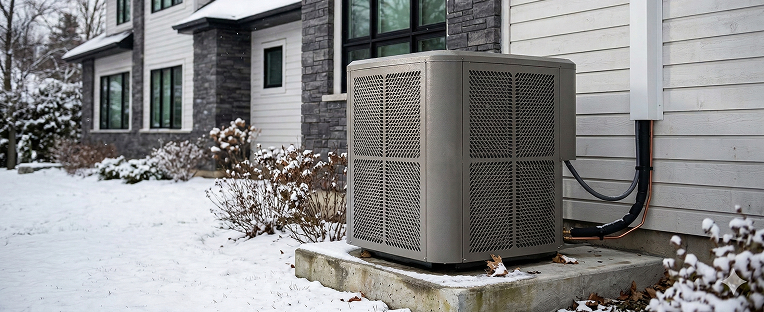
If you live in Canada, you know how demanding our winters can be. Temperatures regularly drop below freezing, and heating systems must work hard to keep homes comfortable for months at a time. As homeowners look for more energy-efficient heating solutions, heat pumps have become increasingly popular—but many people still wonder whether they can truly handle Canadian winters.
The Good News
The good news is that modern heat pumps are designed to work effectively even in cold climates. Advances in technology now allow certain systems to operate efficiently in temperatures well below freezing, making them a reliable option for many Canadian homes.
In this guide, we’ll explain how heat pumps work in cold weather, the benefits they offer homeowners in Canada, and what you should consider before installing one in your home.
What Is a Heat Pump and How Does It Work?
Unlike a traditional furnace that generates heat by burning fuel or using electric elements, a heat pump moves heat from one place to another.
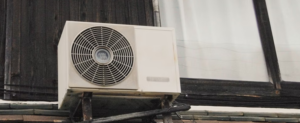
During winter, the system extracts heat from the outdoor air—even when it’s cold—and transfers it inside your home. In the summer, it works in reverse by removing heat from your home and releasing it outdoors, functioning much like an air conditioner.
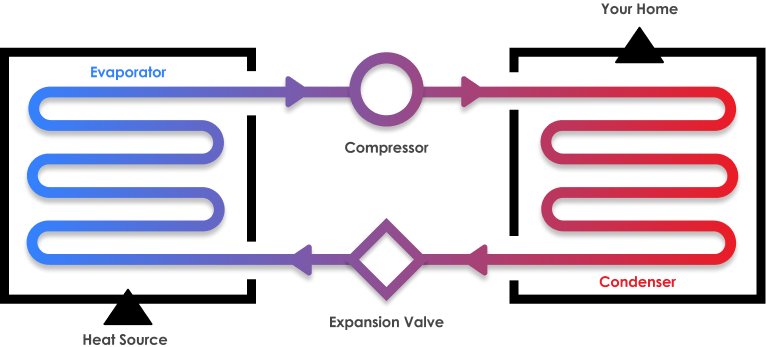
During the winter months, heat pumps take warmth from the air, ground, or underground water sources. Once the heat has been taken by an exterior source, it evaporates the refrigerant inside. Passing through the compressor, the refrigerant re-condenses and the heat released goes through the condenser to help heat your home!
A heat pump system typically includes:
– An outdoor unit that absorbs or releases heat
– An indoor unit or air handler that distributes warm or cool air
– Refrigerant that carries heat between the indoor and outdoor units
– A reversing valve that allows the system to switch between heating and cooling
Because heat pumps move heat instead of generating it, they can operate much more efficiently than many traditional heating systems.
Can Heat Pumps Really Work in Canadian Winters?
Modern cold-climate heat pumps are specifically designed to operate efficiently in colder environments. Many high-efficiency models can continue providing heat even when outdoor temperatures drop to around –20°C or lower.
However, performance does vary depending on the system.
Older or standard heat pumps may lose efficiency when temperatures drop below freezing. Newer cold-climate heat pumps, on the other hand, use advanced compressors and improved refrigerant technology that allows them to continue extracting heat from cold outdoor air.
In many homes, heat pumps are paired with a backup heating system—such as a furnace or electric heat strips—to provide additional heating during the coldest days of the year.
Benefits of Heat Pumps for Canadian Homes
Heat pumps offer several advantages for homeowners looking to improve comfort and efficiency.
Energy Efficiency
Because heat pumps transfer heat instead of generating it, they can use significantly less energy than traditional heating systems. This can lead to lower utility bills, especially during the shoulder seasons when temperatures are moderate.
Heating and Cooling in One System
A heat pump provides both heating and cooling in a single system. That means you don’t need separate equipment for your furnace and air conditioner.
Lower Carbon Footprint
Heat pumps can reduce greenhouse gas emissions, particularly when paired with clean electricity sources. Many Canadian homeowners choose them as part of a long-term strategy to reduce environmental impact.
Improved Comfort
Modern heat pumps provide consistent, even heating. Instead of short bursts of intense heat like a furnace, they often run longer cycles that help maintain steady indoor temperatures.
Factors That Affect Heat Pump Performance
Not every home will see the same performance from a heat pump. Several factors influence how well the system works in cold climates.
Outdoor Temperature
The colder it gets outside, the harder a heat pump has to work to extract heat from the air. High-efficiency cold-climate models perform much better in low temperatures than older systems.
Home Insulation
A well-insulated home retains heat more effectively, allowing the heat pump to maintain comfortable temperatures without working as hard.
System Size
Proper sizing is critical. A system that is too small may struggle to heat your home during cold weather, while an oversized system can cycle on and off too frequently, reducing efficiency.
Backup Heating
Many Canadian homes use a dual-fuel system, where a heat pump handles most of the heating while a gas furnace provides additional warmth during extreme cold.
When Is a Heat Pump a Good Choice?
Heat pumps can be a great option for many Canadian homeowners, particularly if:
- You want both heating and cooling from one system
- You’re looking to improve energy efficiency
- Your home is well insulated
- You’re interested in reducing energy consumption or emissions
- You’re upgrading an aging air conditioner or furnace
Heat pumps often perform especially well in spring and fall, when temperatures are cool but not extremely cold. During these months, they can provide efficient heating with minimal energy use.
Are There Government Incentives for Heat Pumps?
In many parts of Canada, government programs and rebates encourage homeowners to upgrade to energy-efficient heating systems, including heat pumps.
These incentives can help offset installation costs and make heat pumps a more affordable long-term investment.
Programs change frequently and may vary depending on your province, so it’s always a good idea to check current rebate options before installing a new system.
What If I Live in the Kitchener-Waterloo Area?
Homeowners in Southern Ontario—including Kitchener, Waterloo, Cambridge, and Guelph—experience a wide range of seasonal temperatures. Winters can be cold, but they are often moderate enough for modern cold-climate heat pumps to operate efficiently for much of the heating season.
Many homeowners in the region choose dual-fuel systems, combining a heat pump with a furnace to get the best of both technologies.
This approach provides efficient heating for most of the year while ensuring reliable warmth during the coldest winter days.
Conclusion
Heat pumps have come a long way in recent years, and modern cold-climate systems are well suited for many Canadian homes.
Remember:
- Heat pumps move heat instead of generating it
- Modern systems can operate in temperatures as low as –20°C
- They provide both heating and cooling in one unit
- Proper sizing and installation are key to performance
- Many homes pair heat pumps with a backup furnace for extreme cold
With the right system and professional installation, heat pumps can be an efficient and reliable heating solution—even in Canada’s climate.
Need Help or Have Questions?
If you’re considering a heat pump or want to learn whether one is right for your home, the team at Delta Air Systems is here to help. Our experienced technicians can assess your home, explain your options, and recommend the best system for your needs.
Call us at 226-784-1276 or visit www.deltaairsystems.com to book a consultation or speak with an HVAC expert.
To learn more about heat pumps and energy-efficient heating solutions, contact Delta Air Systems today.
Delta Air Systems Ltd. has proudly served the HVAC needs of Kitchener-Waterloo, Cambridge, and Guelph homeowners since the 1950s. We are committed to providing reliable service, expert advice, and cost-effective comfort solutions.
Connect with us on Facebook and Instagram for more HVAC tips and the latest promotions.