
There’s never a “good” time for your air conditioner to stop working, but in the middle of a humid Ontario summer, it can feel especially stressful. Whether your AC suddenly stops blowing cold air, won’t turn on at all, or starts making unusual noises, the first hour matters more than most homeowners realize.
Before you panic or assume the worst, there are a few important things you can do to protect your comfort, prevent further damage, and potentially avoid a costly repair bill altogether.
Here’s what homeowners in Kitchener-Waterloo, Cambridge, and Guelph should do in the first 60 minutes after an AC breakdown.
Step 1: Check Your Thermostat
It sounds simple, but thermostat issues are more common than people think.
Make sure your thermostat is:
- Set to “cool”
- Set below the current room temperature
- Powered on and responsive
- Using fresh batteries if battery-operated
Sometimes accidental setting changes, dead batteries, or incorrect schedules can make it seem like the AC has failed when it hasn’t.
If your thermostat screen is blank, there may also be a power issue connected to the furnace or breaker panel.
Step 2: Check Your Air Filter
A clogged furnace or AC filter can severely restrict airflow and cause your air conditioning system to overheat or freeze up.
If your system:
Has weak airflow
- Feels warm instead of cold
- Has ice buildup around the unit
- Keeps shutting off unexpectedly…your filter could be the culprit.
Remove the filter and inspect it. If it looks dark, dusty, or clogged, replace it immediately. A clean filter improves airflow and helps your system operate more efficiently during heavy summer use.
Step 3: Inspect Your Breaker Panel
Sometimes an AC system trips the breaker during heavy demand, especially during early summer heat waves when systems suddenly begin working harder.
Go to your electrical panel and check:
- The AC breaker
- The furnace breaker
- Any switches that appear tripped
If you reset the breaker and it trips again shortly afterward, stop there and contact an HVAC professional. Repeated tripping can indicate electrical or compressor-related issues that should not be ignored.
Step 4: Check Your Outdoor Unit
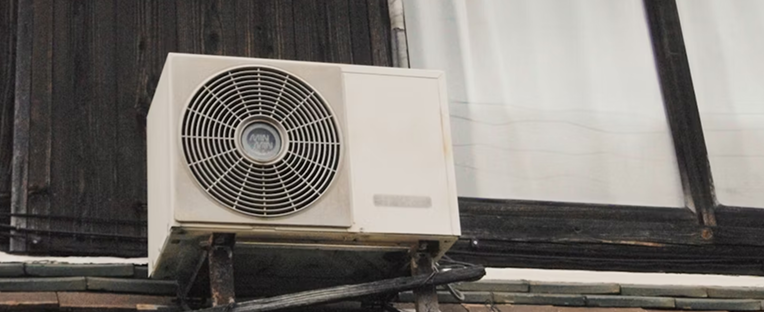
Head outside and inspect your air conditioner condenser.
Look for:
- Debris blocking airflow
- Grass or leaves around the unit
- Ice buildup
- Unusual sounds
- The fan not spinning
If the outdoor unit is completely silent while the thermostat is calling for cooling, there may be a power or capacitor issue.
If you notice ice buildup, turn the system off immediately and allow it to thaw. Continuing to run a frozen system can cause further damage.
Step 5: Reduce Heat Inside the Home
While waiting for service, focus on keeping indoor temperatures manageable.
Close:
Curtains and blinds
- South-facing windows
- Doors to unused rooms
Avoid:
- Using the oven
- Running dryers unnecessarily
- Generating excess indoor heat
Ceiling fans and portable fans can help improve comfort temporarily while reducing strain on the home.
Why AC Systems Often Fail During Early Summer
Many homeowners don’t realize their air conditioner has an issue until the first hot stretch of the year arrives. That’s because systems often sit unused for months during winter and spring. When temperatures suddenly rise in June, hidden issues begin showing themselves.
Common causes include:
- Dirty filters
- Capacitor failures
- Refrigerant leaks
- Frozen evaporator coils
- Electrical problems
- Aging components
- Lack of annual maintenance
Humidity also plays a major role in how uncomfortable your home feels. Even moderate outdoor temperatures can feel overwhelming indoors when humidity levels climb.
Signs You Should Call an HVAC Professional Immediately
Some issues should not wait. Contact a technician right away if:
- Your system smells like burning
- The breaker repeatedly trips
- You hear grinding or banging noises
- The system freezes over
- Warm air continues blowing
- Your home temperature rises rapidly
Ignoring early warning signs can sometimes turn a smaller repair into a much larger one.
Can Maintenance Prevent Summer Breakdowns?
In many cases, yes. Routine maintenance helps identify:
- Weak electrical components
- Dirty coils
- Airflow restrictions
- Refrigerant issues
- Drainage problems
Professional tune-ups are especially important before peak summer humidity arrives in Southwestern Ontario. Even systems that “seem fine” can develop hidden issues over time that only appear during periods of heavy use.
Conclusion
An air conditioner breakdown can feel overwhelming, especially during a humid June heat wave. But taking the right steps in the first hour can help protect your system, improve safety, and sometimes even solve the issue entirely.
If your AC isn’t keeping up, Delta Air Systems is here to help homeowners across Kitchener-Waterloo, Cambridge, and Guelph stay comfortable all summer long.
Call Delta Air Systems today to schedule service, diagnostics, or preventative maintenance before the next heat wave arrives.